Steps - Do they Matter?
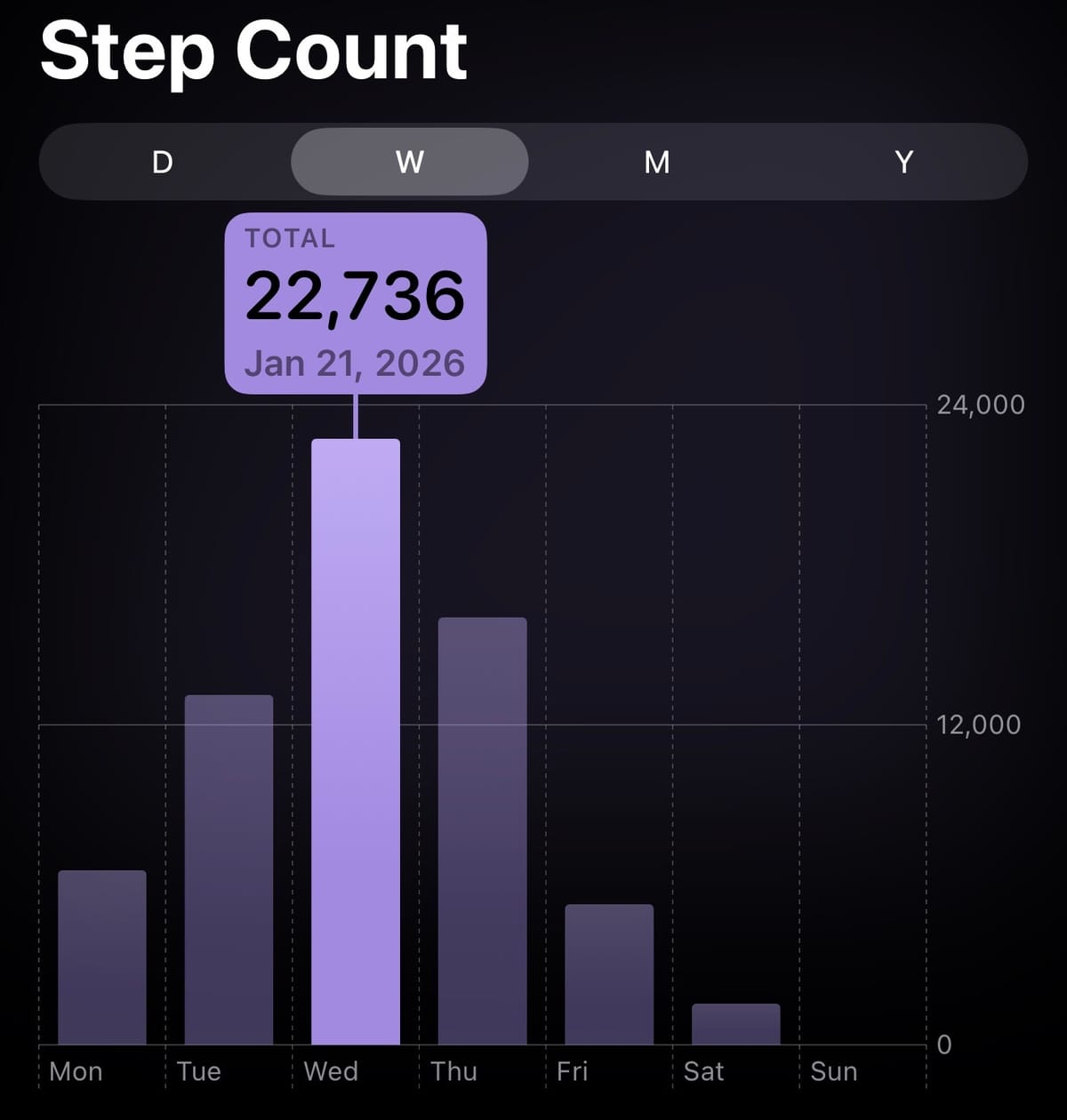
On Wednesday, I was in Las Vegas where my husband had a conference and I was just along for the great dinners in the evening. The spas and fitness centers can be somewhat pricey and the weather was nice enough to walk up and down The Strip. I intentionally walked for exercise at a pretty good pace for about 4 1/4 miles, however, everything after that was just walking to get around and explore. At the end of the day, my tracker hit over 22,000 steps👟. It felt amazing: energized, accomplished, and like I’d earned every bite of my decadent dinner. But back home in Eatonton, Georgia, with a regular work schedule, meetings, and life, hitting even 10,000 steps feels like a stretch some days. So, is 10,000 the gold standard we should all chase? Turns out, that number has more marketing roots than hard science—and recent research shows you can get major health benefits with far fewer steps.
Where Did the 10,000 Steps Goal Come From?
The famous 10,000-steps-per-day target didn’t come from a large-scale medical study or health organization. It originated in Japan in the mid-1960s, right around the 1964 Tokyo Olympics. A company developed one of the first wearable pedometers and named it the “Manpo-kei,” which literally translates to “10,000-step meter” in Japanese (“man” = 10,000, “po” = steps, “kei” = meter).
The number 10,000 was chosen partly because the Japanese character for 10,000 (万) vaguely resembles a person walking, making it catchy for marketing. It was a clever sales pitch for the device, not a research-backed recommendation. Walking clubs and the public latched on, and over decades—especially with the rise of fitness trackers like Fitbit—the idea spread globally and became a default goal.
It’s not “wrong”—it’s just not sacred or universally required.
Why Science Now Says You Don’t Need 10,000 Steps
Recent large-scale studies (including meta-analyses and reviews from 2023–2025) show that health benefits from walking start much lower and increase with more steps, but with diminishing returns beyond a certain point. The key is consistency over perfection.
Key takeaways from recent research:
• Benefits kick in early: Going from very low activity (around 2,000–4,000 steps) to moderate levels dramatically lowers risks.
• Around 7,000 steps per day is often cited as a sweet spot for most adults. Studies link this to:
• Significantly reduced risk of premature death (up to ~47% lower in some analyses).
• Lower chances of heart disease, dementia, cancer, diabetes, and other conditions.
• Similar mortality risk reduction as 10,000 steps in some data.
• Even 4,000–6,000 steps provide meaningful gains compared to being sedentary.
• More is still better (up to a point) - My 22k Vegas day was fantastic for extra calorie burn due to my splurge while on “vacation”, my mood boost, and overall exploration—but you don’t need that daily for core health protection.
• Intensity matters less than total steps for many outcomes; just moving consistently counts.
Making It Work for Real Life (Practical Tips)
Tie it back to your “normal work schedule” reality:
• Aim for progress, not perfection (does that sound familiar?😊): If you’re at 4,000–5,000 now, build toward 7,000 gradually—park farther, take stairs, walk during calls or lunch breaks.
• Incorporate walking creatively: Short 10–15 minute walks add up without needing big blocks of time.
• Track what works for you: Use your phone or watch, but don’t let the number stress you out—focus on how you feel.
• Special days like my day in Vegas: Celebrate those high-step adventures as bonuses that boost mental health and create memories.
• Other perks of walking: Beyond steps, it improves mood, sleep, joint health, and creativity—great for busy folks.
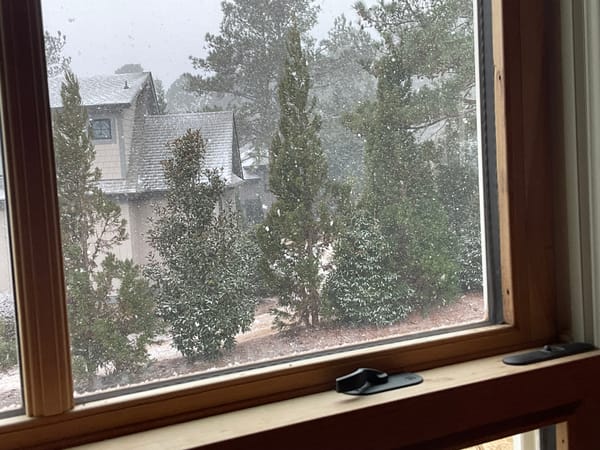
So lace up those shoes, start where you are, and keep moving…unless you are homebound due to the ice and snow storms ❄️ that a lot of us are facing this weekend…then give yourself grace, find an online class or jump on your stationary bike. Your shoes will be there when the ice clears. Either way, your body will thank you!”